Air Conditioning Installation & Replacement
AIR CONDITIONING INSTALLATION AND REPLACEMENT IN Belleville, MI.
Cooling equipment usually gets replaced during the worst possible week, which is exactly when good decisions become hard. Belleville Canton Heating & Air Conditioning makes the process calm and measured for homeowners across Belleville, Canton, Taylor, and Garden City, Michigan, with sizing that reflects the house and pricing you can read at a glance.
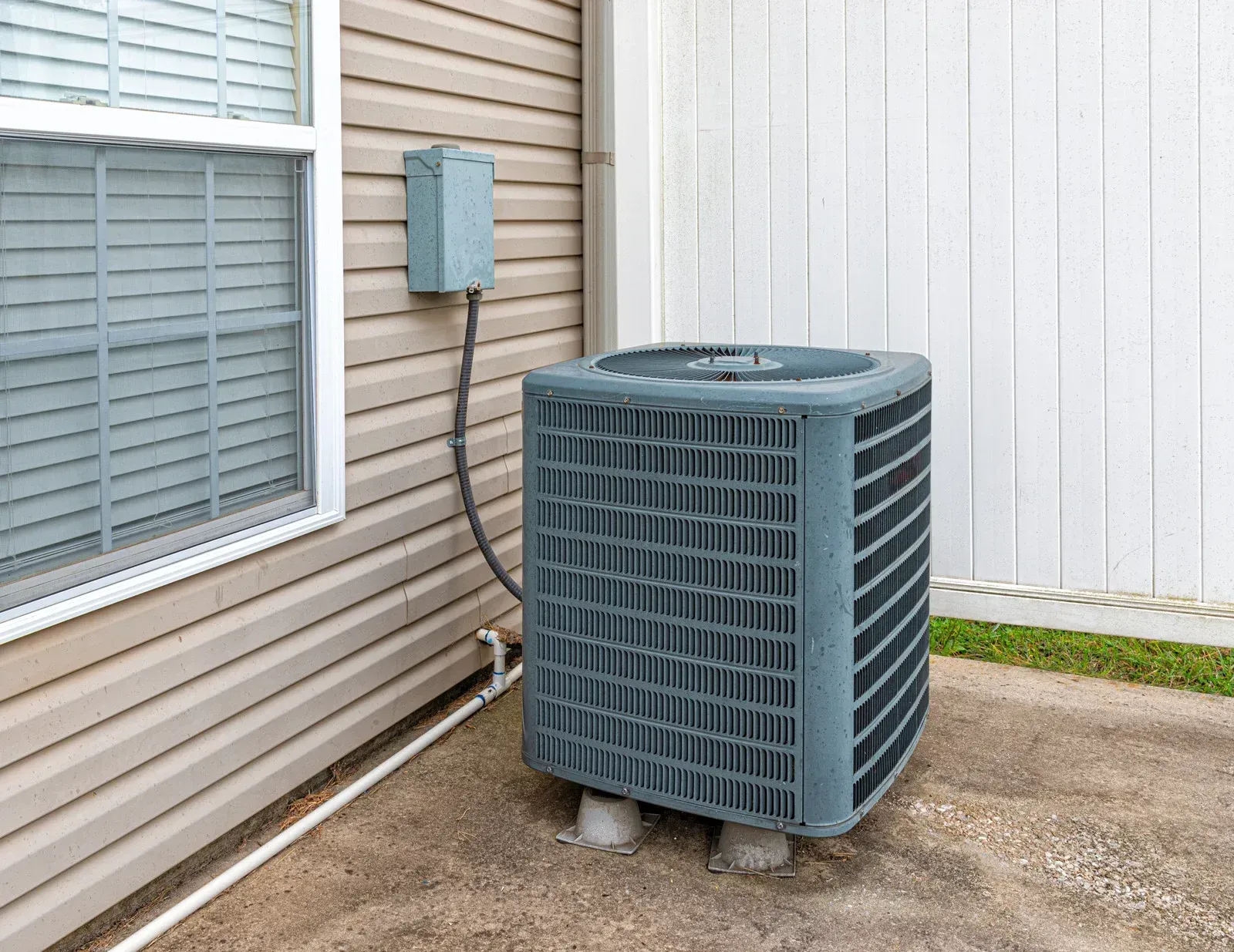
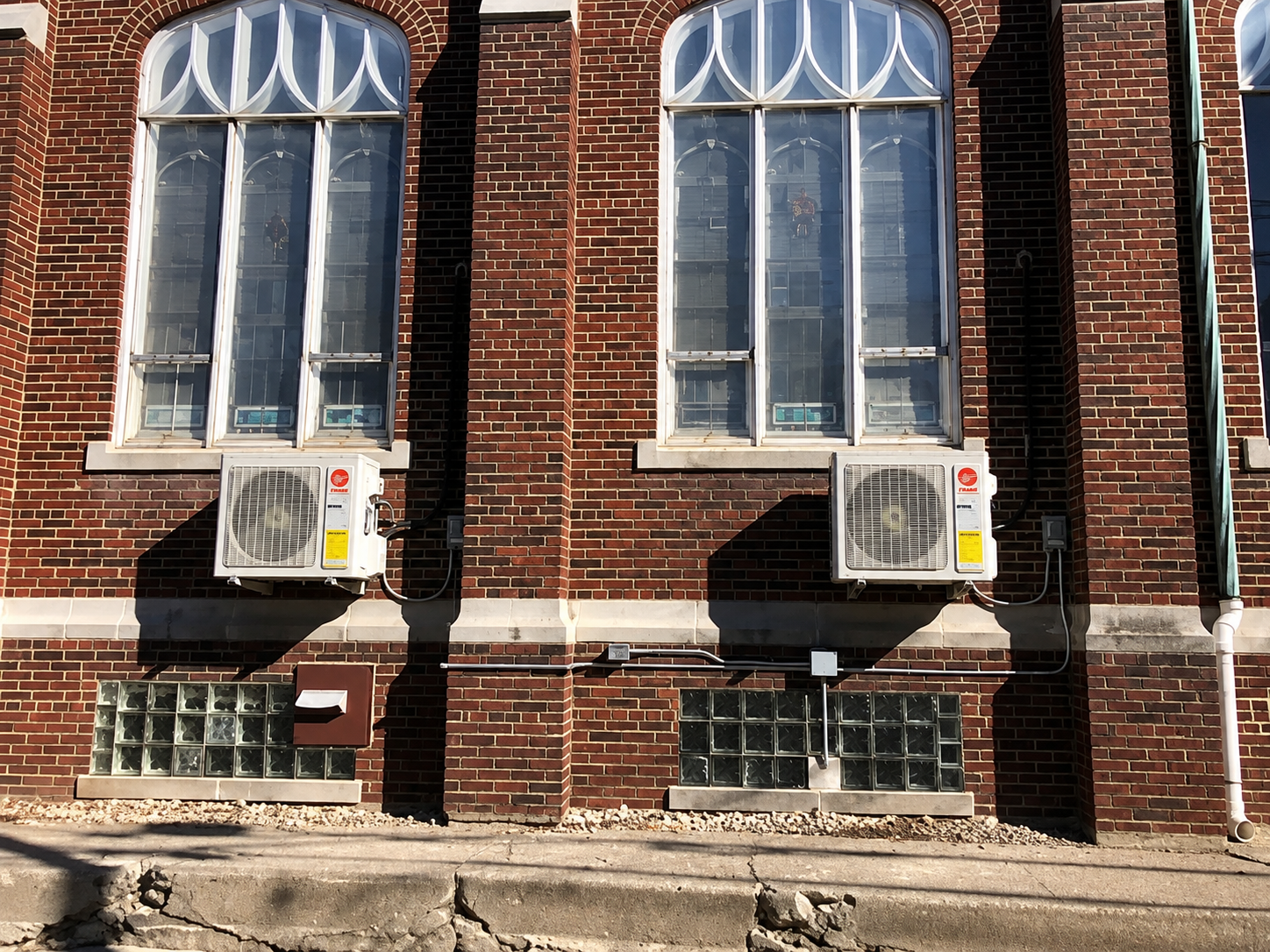
THE INSTALLATION MATTERS MORE THAN THE BRAND.
Two identical condensers can perform completely differently depending on how they were set up. Charge by weight, correct line set, matched coil, proper airflow, and a clean vacuum on the system separate a unit that runs quietly for 18 years from one that struggles by year six. None of that appears on a specification sheet, and all of it happens on installation day.
Refrigerant rules changed in 2026, so new equipment now uses R-454B. We handle that transition, including whether an existing line set can stay or needs replacing.
- Certified Amana dealer with all makes installed
- 10-year parts warranty on all equipment
- Cooling load calculated before quoting
- Licensed, insured, factory-trained technicians
AIR CONDITIONING INSTALLATION & REPLACEMENT
A SUMMER YOU NEVER HAVE TO THINK ABOUT.
Replacing an air conditioner should buy you nearly two decades of not worrying. Getting there means resisting the temptation to oversize, because a unit with too much capacity cools quickly, shuts off early, and leaves the house cold and damp instead of comfortable. We calculate the actual cooling load, match the indoor coil properly, verify airflow through the existing ductwork, and commission the system with real measurements before calling the job finished.
SIZED FOR HUMID MICHIGAN SUMMERS.
Comfort here depends on moisture removal as much as temperature drop. Long, steady cooling cycles pull humidity out of the air, while short bursts do not. That is why an oversized system feels clammy even when the thermostat reads correctly. We size for the design conditions this region actually sees, which usually produces a smaller unit than the one being replaced and a noticeably better result.
40 YEARS OF COOLING INSTALLATIONS THAT LAST.
The difference between a good installation and an average one shows up in year eight, not year one. Over 40 years we have watched which shortcuts cost homeowners later, and we stopped taking them a long time ago. Our owner is a master mechanic who still works alongside the installation crews. Every system carries a 10-year parts warranty, registered on your behalf so the coverage actually applies. Ready to see what your home needs?
WHAT A PROPERLY INSTALLED SYSTEM DELIVERS
COOLING THAT KEEPS UP IN AUGUST
Correct capacity means the system holds temperature on the hottest afternoons without running flat out. No more waiting until evening for the upstairs to become usable again.
HUMIDITY YOU CAN ACTUALLY FEEL LEAVING
Longer cooling cycles strip moisture properly, so rooms feel comfortable at higher settings. That single change often does more for comfort than dropping the thermostat two degrees ever did.
LOWER RUNNING COSTS EVERY SEASON
Current SEER2-rated equipment uses noticeably less electricity than a unit installed 15 years ago. Combined with correct charge and airflow, the difference shows on every summer statement.
QUIET ENOUGH TO SIT BESIDE
Modern condensers and variable-speed indoor blowers run far quieter than older equipment. Conversations on the patio no longer pause every time the outdoor unit decides to start up.
A DECADE OF PARTS PROTECTION
Every installation includes a 10-year parts warranty that we register for you. Long coverage only makes sense on equipment commissioned properly, and that is how each system leaves our hands.
EQUIPMENT READY FOR CURRENT REFRIGERANT RULES
New systems run on R-454B, the refrigerant that replaced R-410A in 2026. Installing current equipment now avoids questions about parts and refrigerant availability later in the system life.
WHAT WE INSTALL
OUR COOLING REPLACEMENT WORK
A cooling replacement touches the outdoor unit, the indoor coil, the line set, the electrical service, and the ductwork behind it. Every one of those pieces gets addressed properly rather than quietly assumed.
RIGHT SIZE
Cooling Load Assessment
Window area, orientation, insulation, ceiling height, and internal heat gains all determine how much cooling a house genuinely needs. That calculation happens first, before any equipment gets proposed or priced.
CENTRAL AIR
Central Air Conditioner Installation
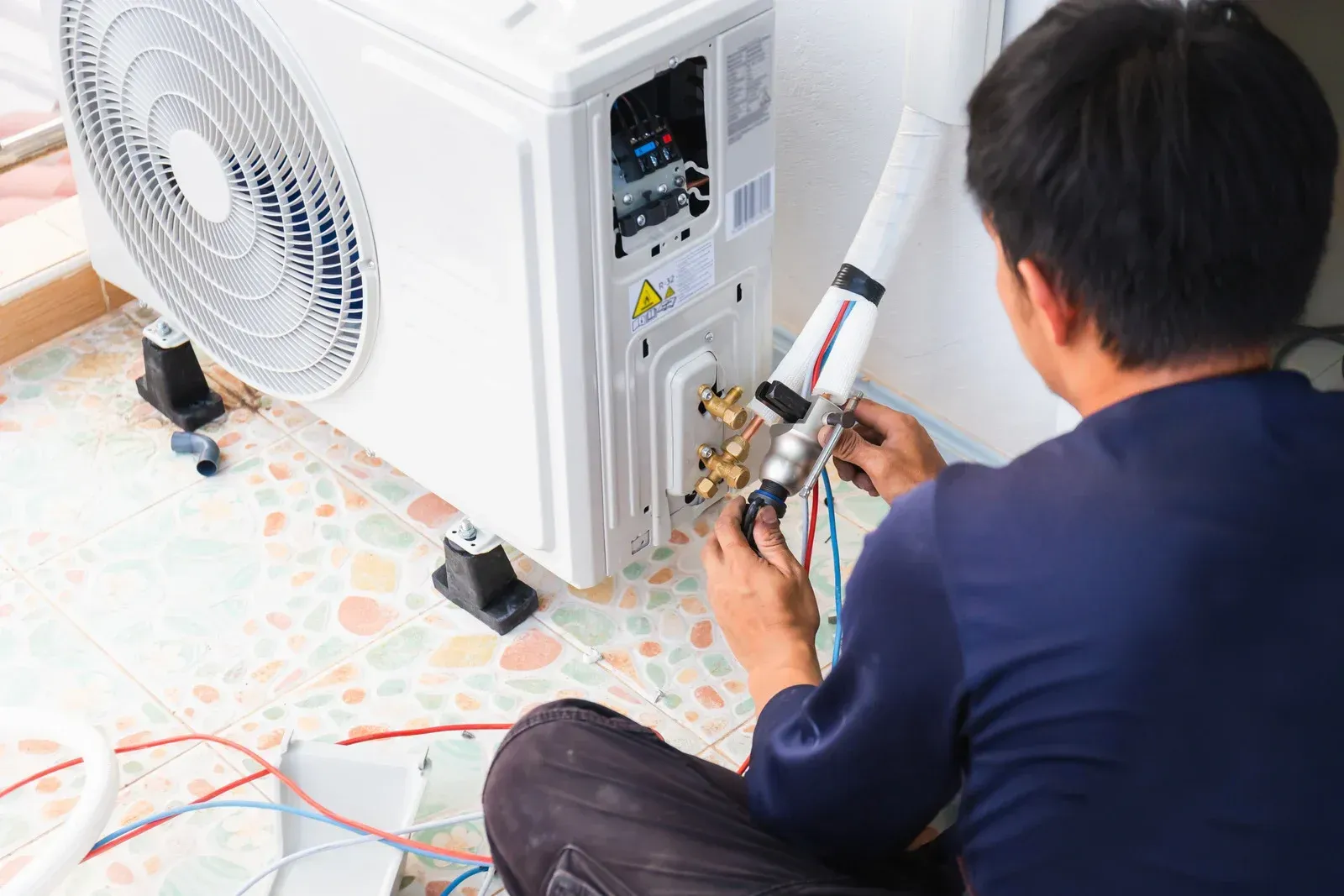
Condenser placement, pad setup, evacuation, refrigerant charging by weight, and full commissioning happen on every single installation. The finished system gets verified against manufacturer specification rather than simply approved by feel.
MATCHED COIL
Evaporator Coil Replacement
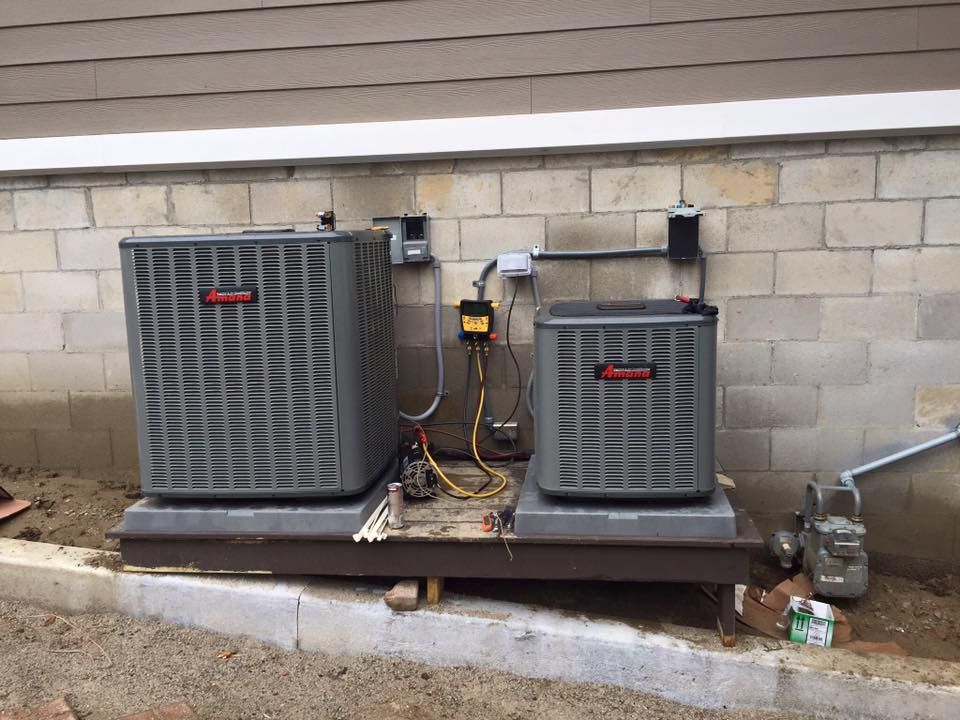
An outdoor unit paired with a mismatched indoor coil never reaches its rated efficiency. Replacing both together protects cooling performance, dehumidification, and the manufacturer warranty coverage attached to the new equipment.
NEW REFRIGERANT
R-454B System Changeovers
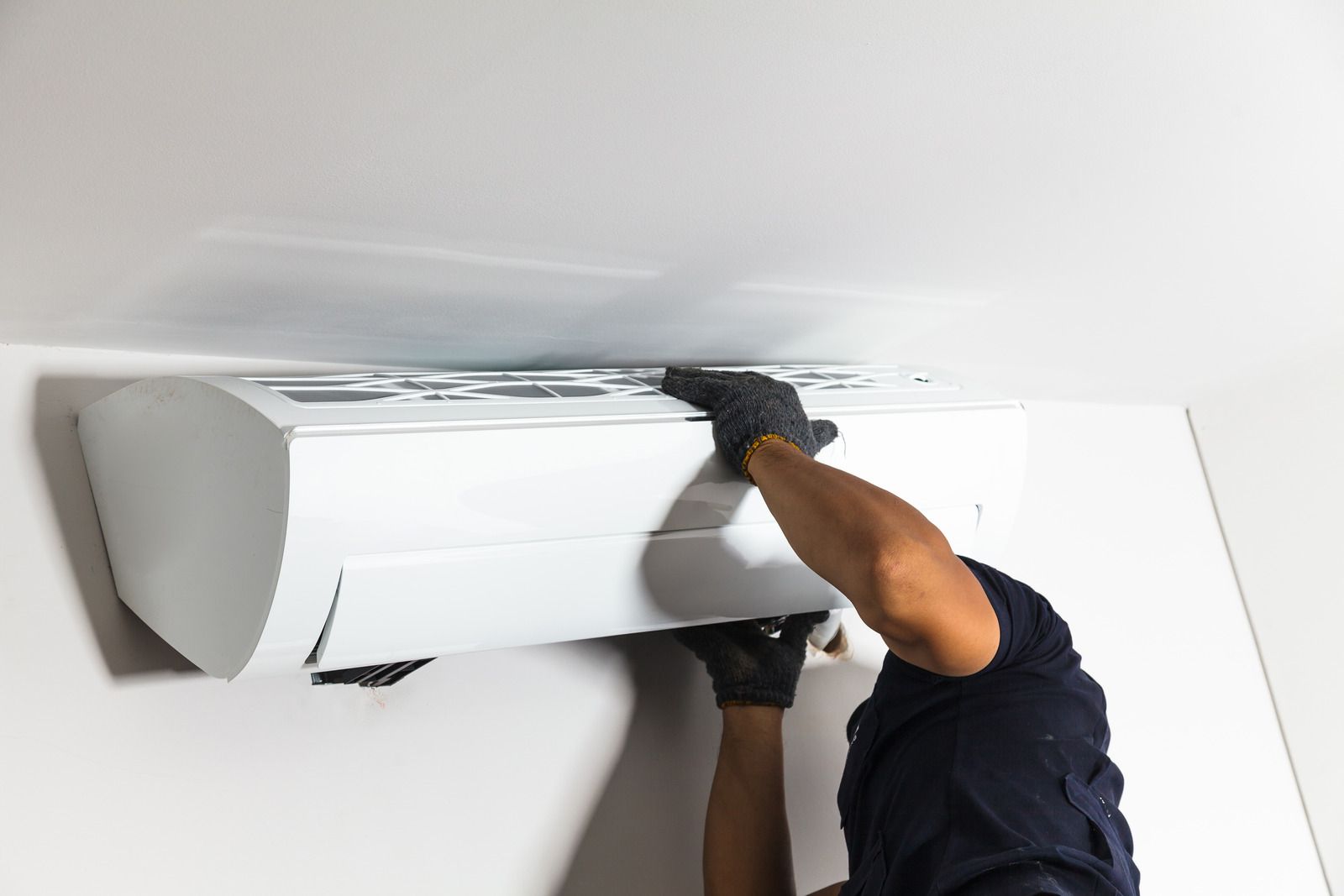
Current equipment uses R-454B, which affects line set compatibility, component selection, and future service practice. We confirm exactly what can be reused and what must be replaced before the work begins.
POWER READY
Electrical, Pad, and Disconnect Work
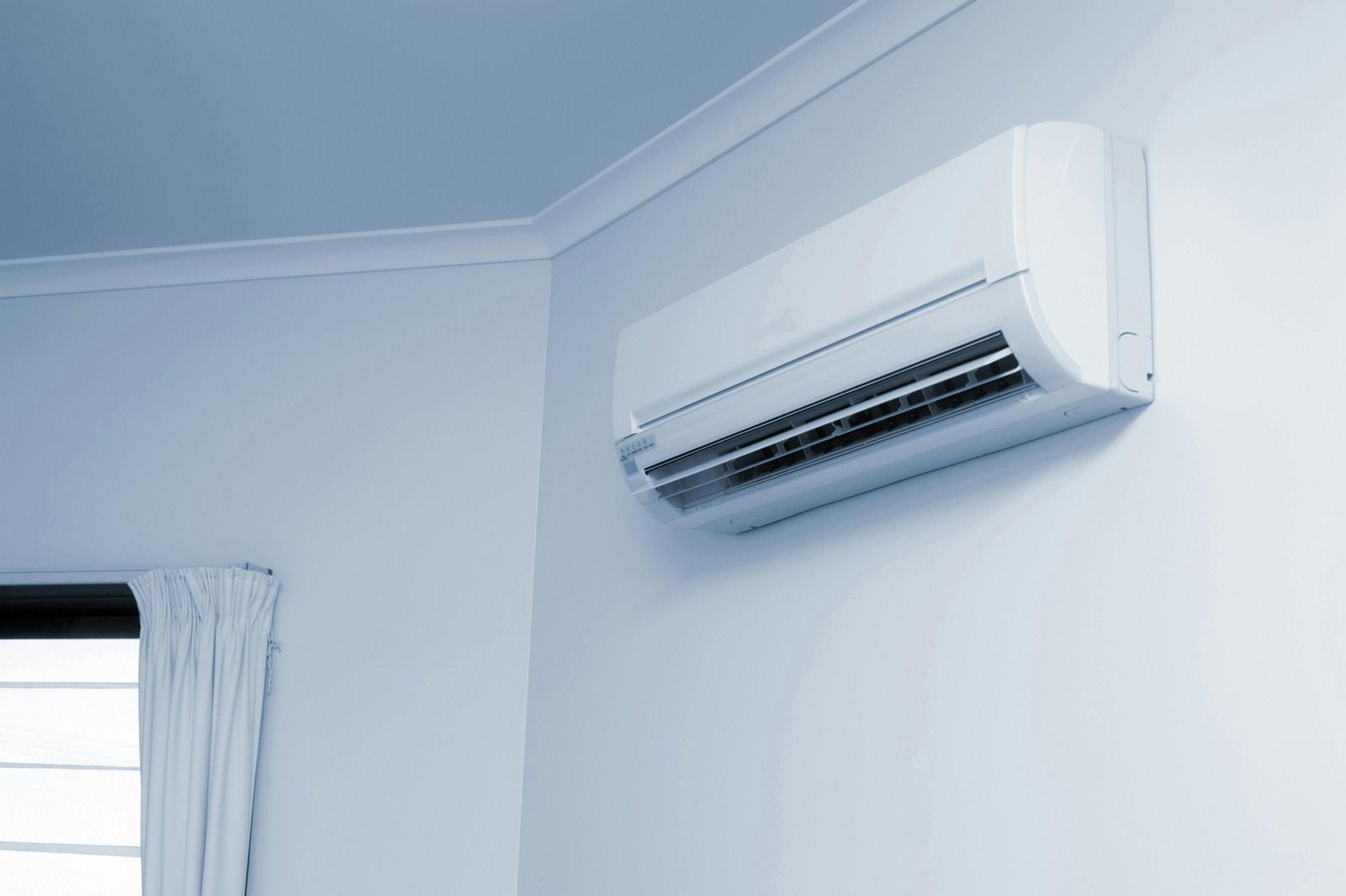
Correct breaker sizing, wire gauge, disconnect placement, and a level pad keep the installation safe and compliant. Vibration and settling problems get designed out at this stage rather than repaired later.
CLEAN REMOVAL
Old Unit Recovery and Disposal
Refrigerant from the outgoing system gets recovered properly rather than vented. The old equipment leaves the property, and the area around the new condenser ends up tidier than we found it.
THE WORD ON OUR WORK
WHAT OUR CLIENTS SAY.
Cooling installation reviews tend to mention very much the same details. A quote explained without any pressure, a crew that showed up exactly when promised, a tidy job around the condenser pad, and a house that finally held temperature through the following August.
Common Questions
frequently asked
questions.
Buying cooling equipment raises questions that deserve straight answers before anything is ordered. These are the ones that come up on nearly every estimate across Wayne County.
What SEER2 rating makes sense for a Michigan home?
Our cooling season is shorter than the southern states, so the payback on very high-efficiency equipment stretches longer. Most households here land comfortably in the midrange and put the savings toward better installation quality.
Do I have to replace the indoor coil with the outdoor unit?
In almost every case, yes. Belleville Canton Heating & Air Conditioning replaces both together across Belleville, MI, because a mismatched coil undercuts efficiency, dehumidification, and the manufacturer coverage on the new equipment.
Can I reuse my existing refrigerant line set?
Sometimes, if it is the correct size, in good condition, and compatible with the new refrigerant. Older lines carrying residue from a failed compressor should always be replaced rather than flushed and hoped for.
How long does an air conditioner installation take?
A straightforward changeout generally runs 4 to 8 hours and finishes the same day. Adding a coil, replacing the line set, or altering electrical service can extend the work into a second day.
What size air conditioner does my house need?
Sizing comes from a cooling load calculation covering square footage, windows, insulation, and orientation. Rules of thumb based on square footage alone routinely produce oversized systems that cool poorly and remove almost no humidity.
Should I replace my air conditioner before it fails completely?
Planning ahead usually costs less and always causes less disruption. Belleville Canton Heating & Air Conditioning helps Belleville, MI, homeowners judge remaining life so replacement happens on their schedule rather than during a heat wave.
Do I need a new pad or disconnect with a new condenser?
Often yes. Settled or cracked pads cause vibration and drainage problems, and older disconnects may not match the new equipment requirements. Both are inexpensive compared with the trouble they prevent.
What is the difference between an air conditioner and a heat pump?
An air conditioner only cools, while a heat pump reverses to provide heating as well. Cold-climate heat pumps work well here as a supplement, though most homes keep a gas furnace for deep winter.
LEARN MORE →
HOW WE WORK
FROM LOAD CALCULATION TO COLD AIR, HERE IS HOW.
STEP 01
WE ASSESS THE HOUSE
Room dimensions, window exposure, insulation levels, duct layout, and available electrical capacity all get recorded carefully during the first visit. Everything quoted afterward traces directly back to what that on-site assessment actually found.
STEP 02
WE CALCULATE THE LOAD
The cooling requirement gets worked out properly rather than simply copied from the old nameplate. That single figure sets the equipment capacity, the airflow target, and whether your existing ductwork can support it.
STEP 03
WE LAY OUT THE OPTIONS
Two or three suitable systems get presented with the practical differences between them explained plainly. Pricing always arrives in writing and fully itemized, so comparing our proposal against another company's stays genuinely straightforward.
STEP 04
WE PREPARE AND PROTECT
Floors get covered, refrigerant from the old system gets recovered properly rather than vented, and the outgoing equipment leaves the property entirely before anything new is positioned or connected in its place in the yard.
STEP 05
WE INSTALL AND COMMISSION
Brazing, evacuation, charging by weight, airflow setting, and control wiring all get done to written specification. The system then runs while we verify superheat, subcooling, and the temperature split across the indoor coil.
STEP 06
WE WALK YOU THROUGH IT
You learn the thermostat, the filter schedule, and what normal operation should actually sound like. Registered warranty paperwork comes with it, and we happily answer whatever questions surface over the first few days.
GET YOUR FREE ESTIMATE
SEE WHAT PROPER SIZING LOOKS LIKE, FREE.
Most cooling quotes arrive within ten minutes of someone glancing at the old unit, which is how oversized systems keep getting sold. We do the measuring first and charge nothing for it. You receive a real cooling load, an honest assessment of your ductwork and line set, current refrigerant guidance, and two or three options priced clearly enough to compare. Send your details through our contact page and we will find a convenient time.
WHAT YOUR ESTIMATE COVERS:
- A full cooling load calculation
- Ductwork and line set assessed before quoting
- Written, itemized pricing with no allowances
- Current R-454B equipment options explained
- A 10-year parts warranty registered for you
- Senior and military discounts applied automatically