Furnace Repair
FURNACE REPAIR in Belleville, MI.
Nothing exposes a heating problem like a January night. When the burners quit, the blower rattles, or the thermostat stops getting an answer, Belleville Canton Heating & Air Conditioning brings the heat back for households throughout Belleville, Canton, Taylor, and Garden City, Michigan, often on the same day you first reach out to us.
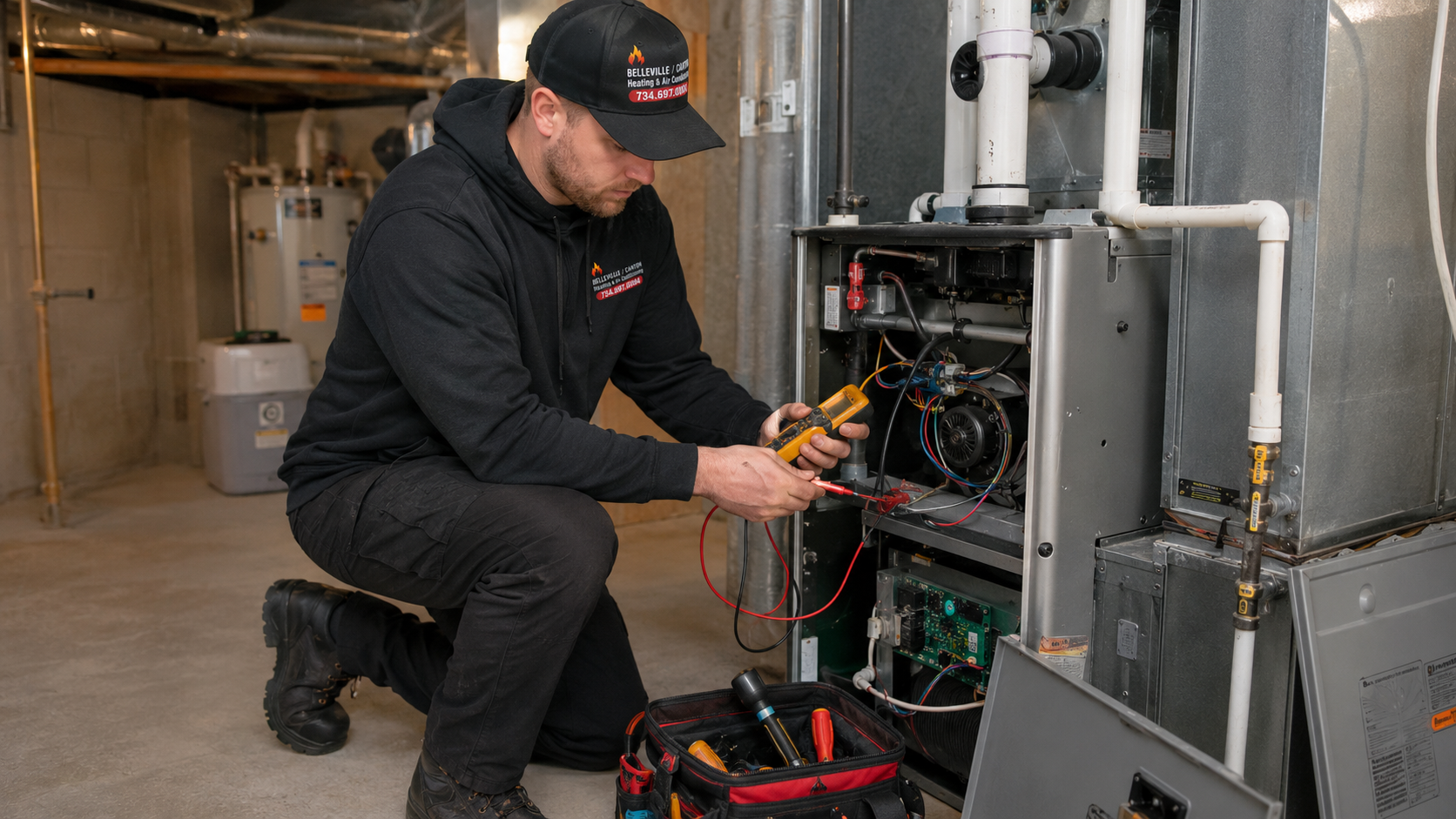
A COLD HOUSE IS A DEADLINE, NOT AN INCONVENIENCE.
Furnaces rarely fail without warning. They short cycle, run louder, heat unevenly, or leave a faint burning smell for weeks before anyone calls. By the time the heat stops entirely, the failed part has usually damaged something around it. Catching the pattern early keeps a repair from turning into a replacement you had not planned for this winter.
Our technicians carry the parts that fail most often in this climate, so the majority of no-heat calls end with warm air moving again before we pack up.
- 24-hour emergency service for no-heat calls
- $69 service calls with repair
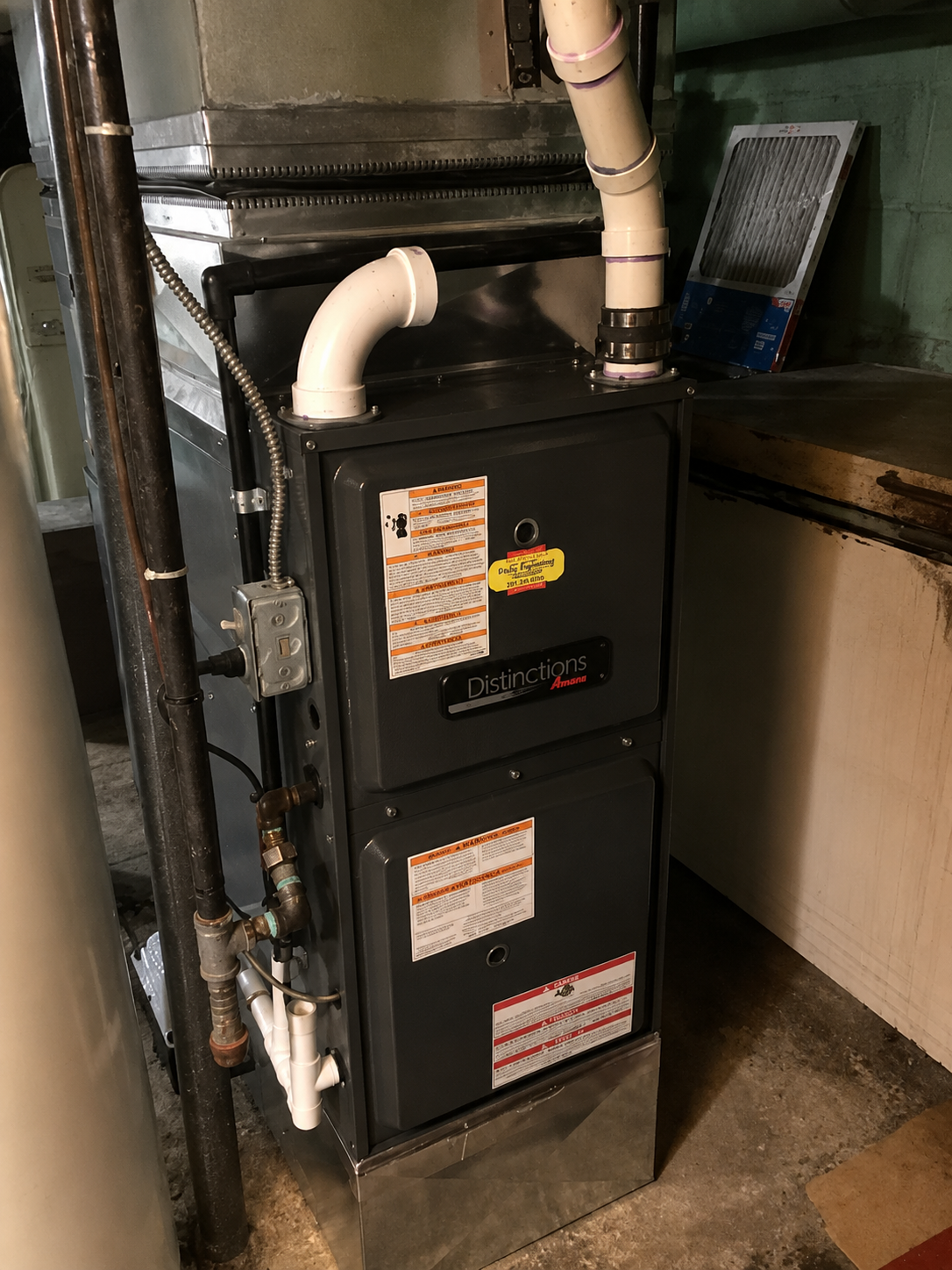
- Every make and model diagnosed, not only Amana
- Licensed, insured, factory-trained technicians
FURNACE REPAIR
HEAT BACK ON BEFORE THE HOUSE LOSES ITS TEMPERATURE.
A well-insulated home holds warmth for a few hours in deep cold. After that, interior temperatures drop toward the point where plumbing becomes the next emergency. That timeline shapes how we dispatch. Rather than booking you for whenever the schedule opens, we treat total heat loss as urgent, arrive with common failure parts on the truck, and finish the repair in one visit whenever the component is available.
SHAPED FOR FURNACES THAT WORK MICHIGAN HOURS.
Equipment here runs from October into April with barely a pause, which wears ignition components, blower bearings, and heat exchangers faster than the manufacturer averages predict. We diagnose against that reality. A flame sensor coated after two seasons is normal here, while a cracked exchanger in a unit that age means something upstream went wrong and needs answering too.
40 YEARS OF DIAGNOSING WHAT ACTUALLY FAILED.
Guesswork gets expensive quickly, because replacing the wrong part still leaves you cold and out of pocket. Across 40 years we have learned to read the whole sequence, from thermostat call through ignition, flame proving, blower engagement, and limit switch behavior. That discipline is why our repairs tend to hold, and why we can tell you honestly when a furnace has reached the end rather than selling one more repair. Want a straight answer about yours?
WHAT A PROPER FURNACE REPAIR SAVES YOU
HEAT THAT STAYS ON
A repair aimed at the true cause ends the cycle of failures every few weeks. The furnace runs through the rest of the season without another interruption, which is the entire point of calling someone.
A SAFER COMBUSTION SYSTEM
Cracked exchangers, blocked flues, and rollout conditions carry real consequences. Every visit includes safety testing, so a problem you cannot see or smell gets caught before it becomes dangerous for the household.
LOWER FUEL USE THROUGH WINTER
A furnace fighting restricted airflow or a dirty burner burns more gas for the same warmth. Correcting those conditions usually shows up on the very next bill without changing a single thermostat setting.
YEARS ADDED TO THE EQUIPMENT
Components under strain wear each other out. Fixing the root fault removes that strain, letting a furnace with life left in it reach the far end of its expected service range instead of failing prematurely.
QUIETER OPERATION THROUGHOUT THE HOUSE
Banging, squealing, and rumbling are symptoms, not personality. Once the failing bearing, loose panel, or delayed ignition gets corrected, the furnace goes back to running quietly enough to forget about.
A CLEAR ANSWER ABOUT WHAT COMES NEXT
You learn what failed, why it failed, and roughly how much life remains. That knowledge lets you plan a replacement on your own timeline instead of scrambling during the coldest week of the year.
WHAT WE FIX
OUR FURNACE REPAIR WORK
Every heating call starts the same way, with a full sequence check rather than a hunt for the cheapest likely culprit. These are the failures we correct most often across Wayne County homes.
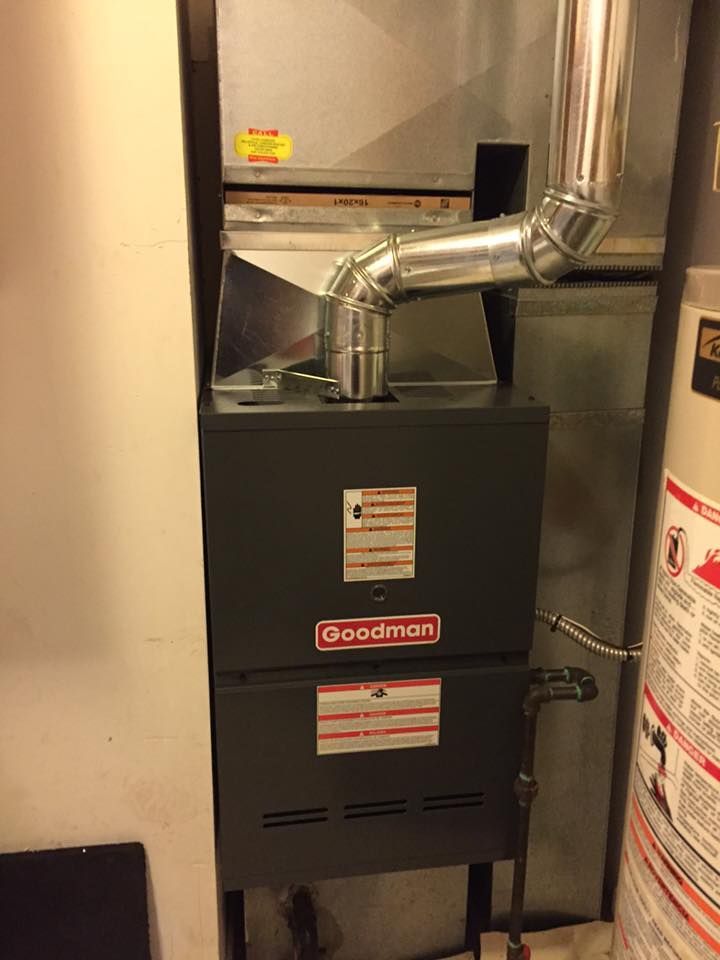
NO IGNITION
Igniter and Flame Sensor Repairs
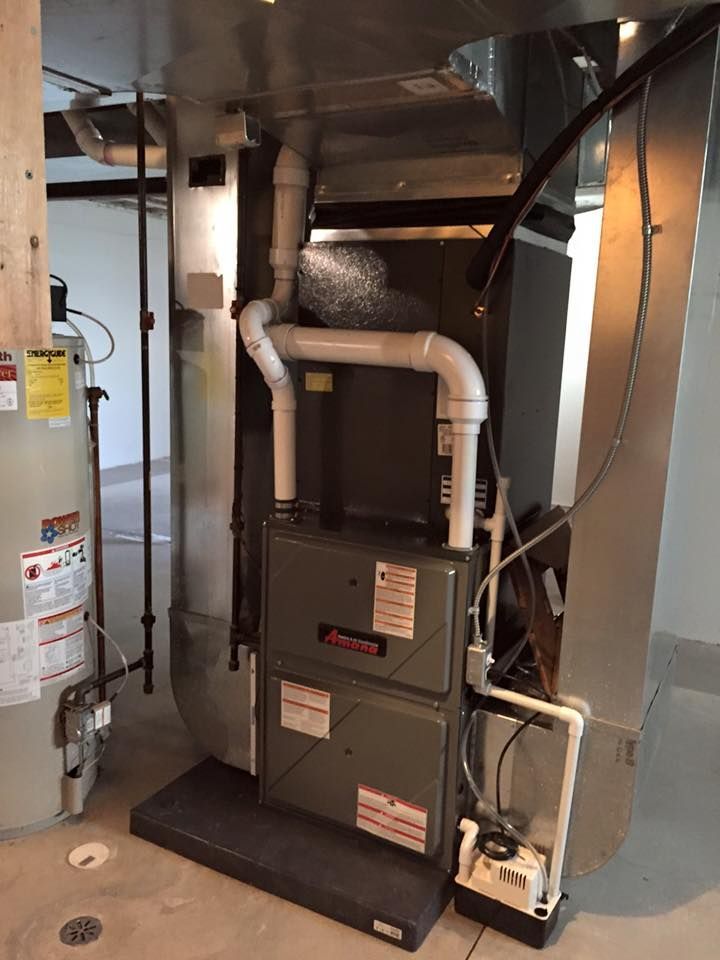
Hot-surface igniters crack and flame sensors coat with residue, which stops the furnace from proving flame and locks it out. Both are common, both are quick, and both get tested rather than replaced on a hunch.
WEAK AIRFLOW
Blower Motor and Wheel Service
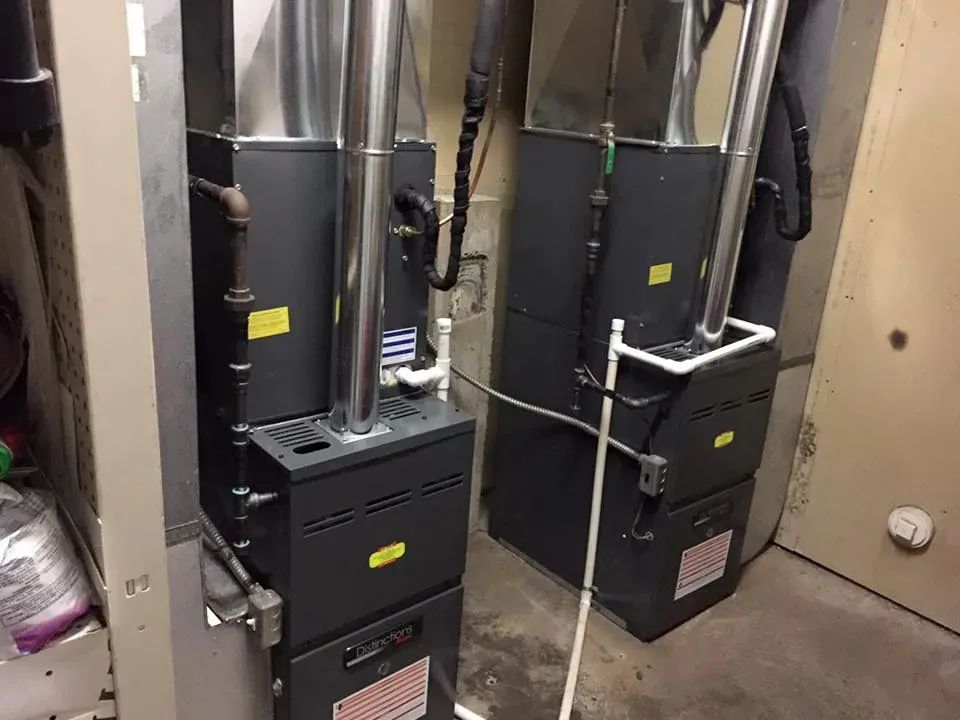
Worn bearings, failing capacitors, and wheels packed with dust all reduce the air a furnace can move. Restoring proper airflow often resolves overheating, short cycling, and rooms that never quite reach temperature.
SAFETY CHECK
Heat Exchanger Inspection
Combustion analysis and visual inspection reveal cracks, corrosion, and rollout patterns that put a household at risk. Findings get explained plainly, including whether the unit can safely continue running this season.
BAD SIGNAL
Thermostat and Control Board Faults
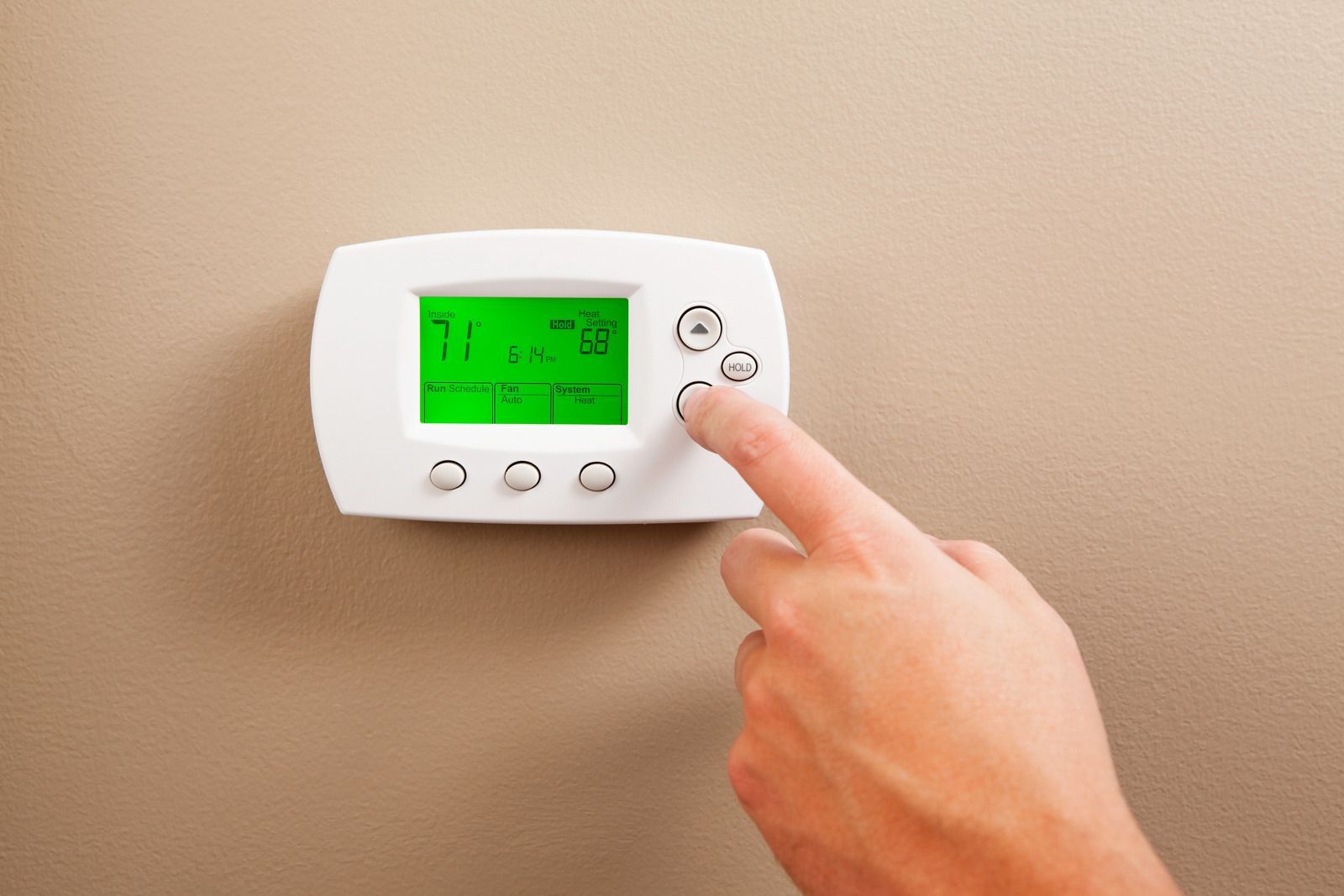
A furnace that ignores the thermostat may have a wiring fault, a failed board, or a control reading temperature from the wrong location. We trace the signal end to end before condemning any component.
GAS SIDE
Gas Valve and Burner Service
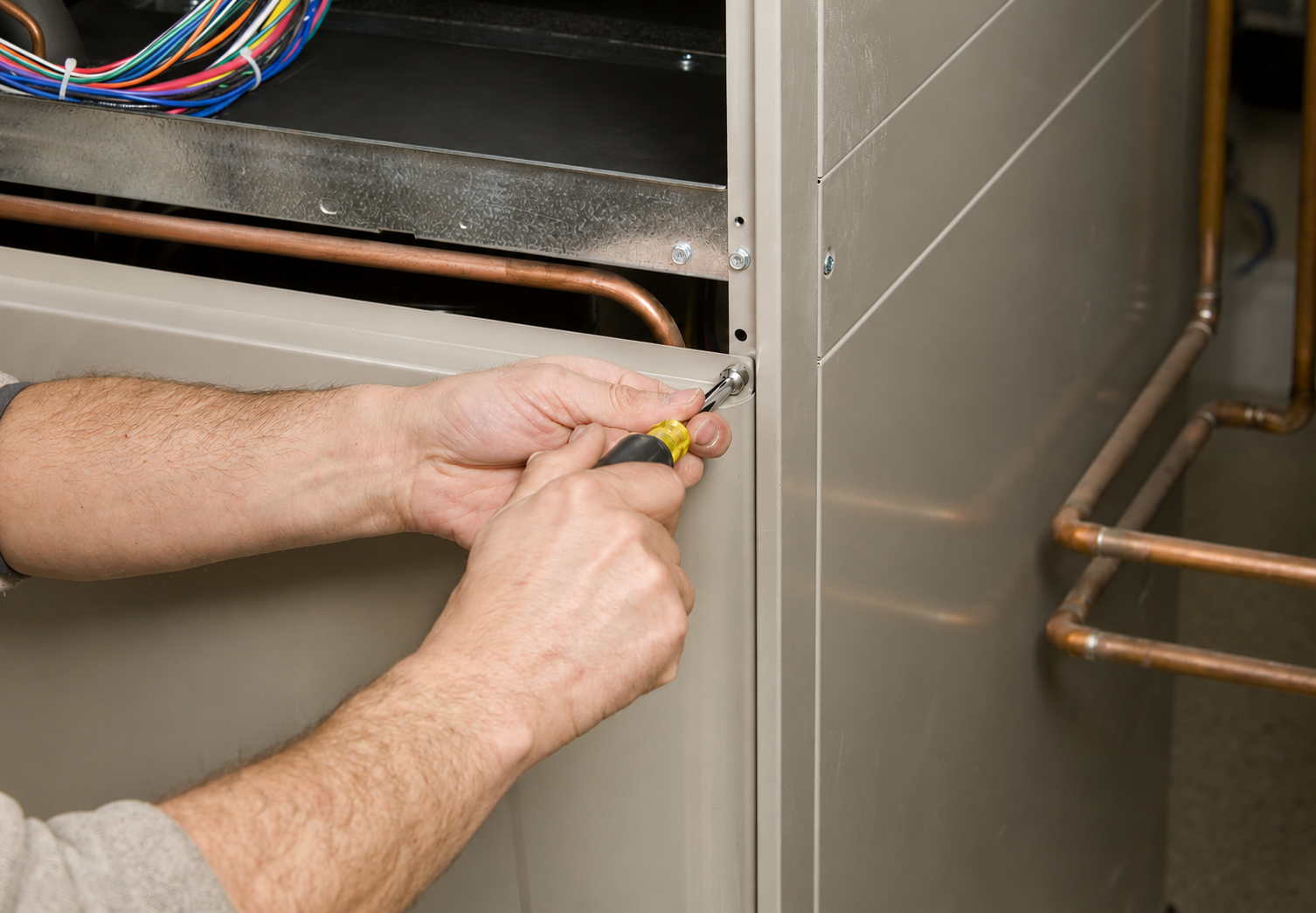
Dirty burners, drifting gas pressure, and failing valves cause delayed ignition, uneven flame, and that distinctive whump on startup. Cleaning the assembly and setting correct pressure restore a steady, quiet, efficient burn.
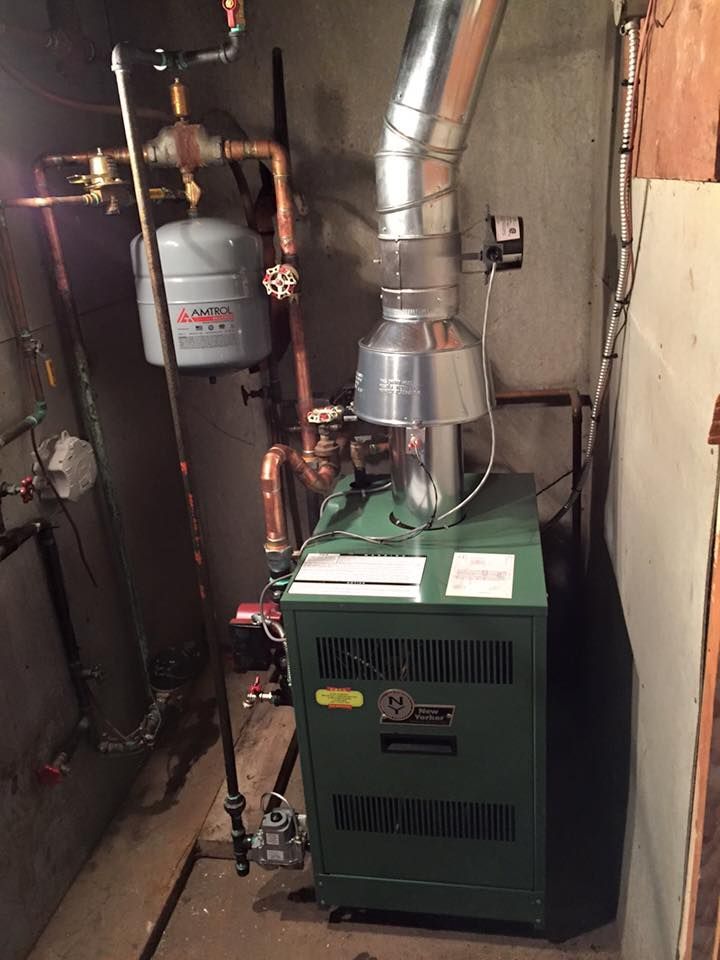
AFTER HOURS
Emergency No-Heat Calls
Total heat loss during freezing weather does not wait for business hours. Our 24-hour service exists for exactly those nights, and we prioritize households with children, seniors, or plumbing already at risk.
THE WORD ON OUR WORK
WHAT OUR CLIENTS SAY.
The reviews that mean the most describe a cold night that ended quickly. Customers write about technicians who arrived when promised, explained the failed part in plain language, and did not turn a repair call into a sales presentation for new equipment.
Common Questions
frequently asked
questions.
Heating calls generate the same handful of questions every winter. These answers reflect what we actually find inside furnaces around Wayne County rather than general advice.
What are the most common furnace problems?
Failed igniters, dirty flame sensors, clogged filters, faulty thermostats, worn blower motors, and blocked condensate drains account for most service calls. Nearly all of them trace back to skipped maintenance rather than a defect in the equipment.
Why is my furnace blowing cold air?
The burners are likely not lighting or not staying lit, which leaves the blower circulating unheated air. A dirty flame sensor, a cracked igniter, a tripped limit switch, or a blocked flue can each produce that symptom.
Why does my furnace smell like something is burning?
Dust burning off the heat exchanger in the fall is normal and fades within an hour. A persistent electrical, plastic, or acrid smell is not, and the furnace should be shut down until someone inspects it properly.
Can a cracked heat exchanger be repaired?
Almost never. A cracked exchanger allows combustion gases into the airstream, and replacement of that component usually approaches the cost of a new furnace. Replacement of the unit becomes the safer and more sensible route.
Why does my furnace keep tripping the breaker?
Common causes include a seizing blower motor drawing excess current, a shorted control board, loose wiring, or a circuit shared with too much other load. Repeated tripping is an electrical warning worth investigating immediately.
How long does a typical furnace repair take?
Most repairs finish within one to two hours once the fault is identified. Belleville Canton Heating & Air Conditioning carries common failure parts on every truck across Belleville, MI, so return trips stay rare.
Is it safe to run a furnace making a loud banging noise?
No. A bang at startup usually means delayed ignition, where gas builds before lighting. Rattling and scraping suggest loose panels or blower damage. Shut the system down and have it inspected before running it again.
Why does my furnace run constantly without reaching temperature?
Undersized equipment, severe duct leakage, a clogged filter, or a failing limit control can all prevent a furnace from satisfying the thermostat. Belleville Canton Heating & Air Conditioning measures airflow and temperature rise across Belleville, MI, before recommending anything.
LEARN MORE →
LEARN MORE →
HOW WE WORK
FROM NO HEAT TO FULL HEAT, HERE IS HOW.
STEP 01
WE TAKE THE CALL
Someone gathers the details that matter, including what the furnace is doing, how cold the house has become, and whether anyone vulnerable is inside. Emergencies move to the front of the schedule immediately.
STEP 02
WE READ THE SEQUENCE
The technician watches the furnace attempt a full heating cycle, from thermostat call through ignition and blower engagement. Where the sequence stops tells us far more than any error code read in isolation.
STEP 03
WE TEST THE SUSPECTS
Voltage, microamps, gas pressure, temperature rise, and static pressure all get measured directly. Those readings confirm the actual failure instead of leaving you paying for a part that was probably going to be fine.
STEP 04
WE EXPLAIN AND PRICE
You see the failed component, hear what caused it, and receive written pricing before any work begins. If a replacement makes more sense than the repair, we will say so rather than quietly proceeding.
STEP 05
WE MAKE THE REPAIR
The new part goes in, related conditions get corrected, and the burner compartment leaves cleaner than we found it. Most visits end with the furnace running normally again before the truck doors close.
STEP 06
WE CONFIRM IT IS SAFE
Combustion readings, temperature rise, and safety controls all get verified again after the repair. You receive the numbers, the warranty details, and an honest note about anything worth watching for the rest of this season.
GET YOUR FREE ESTIMATE
KNOW WHAT WENT WRONG BEFORE YOU SPEND, FREE.
A furnace that fails once will usually tell you why, provided somebody takes the time to look properly. We do that first, without charging for the conversation that follows. You get the failed component identified, the cause behind it explained, written pricing for the fix, and a straight assessment of whether this unit deserves another winter. Reach us through our contact page and we will schedule a visit that works around your day.
WHAT YOUR REPAIR VISIT COVERS:
- A complete heating sequence diagnosis
- Combustion and safety testing on every call
- Written pricing before the work begins
- Common failure parts stocked on the truck
- Repair or replace guidance with no pressure
- Senior and military discounts applied automatically